October 28, 2026
Why Dental Implants Feel More Natural Than Dentures
By @beckettjssm820

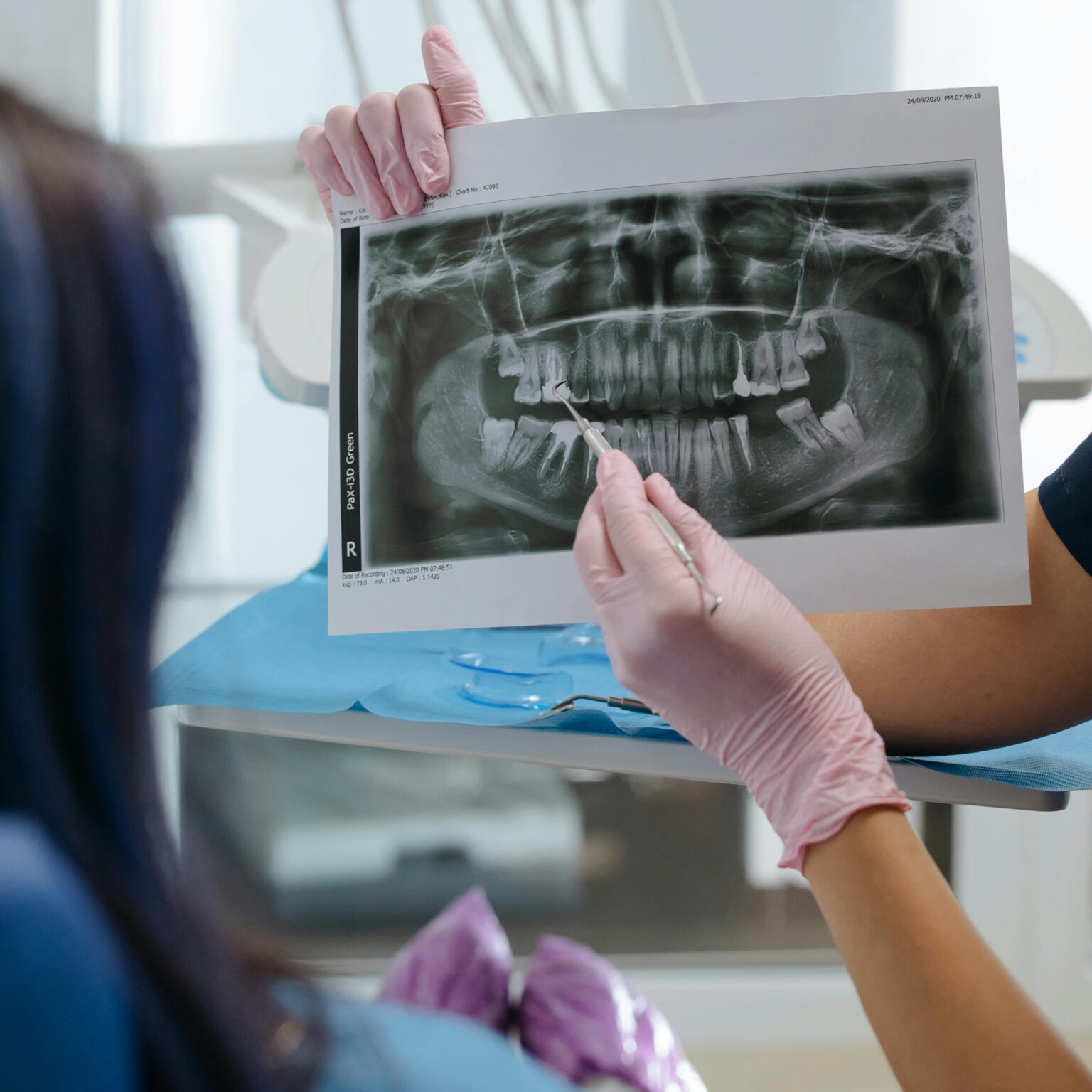
Losing teeth changes more than a smile. It alters the way a person chews, speaks, laughs, and even carries their face at rest. People often expect replacement teeth to solve those problems in a straightforward way, but the experience depends heavily on the kind of restoration they choose. This is where the difference between dentures and Dental Implants becomes especially clear.
Dentures can restore appearance and help with basic function, and for many people they remain a practical option. But when patients describe what they want most, the words tend to be simple and revealing. They want to eat without thinking about it. They want to talk without feeling a plate shift. They want to smile without worrying that something artificial is moving in their mouth. They want their teeth to feel like part of them again.
That last point is why implants so often stand apart. They do not just replace visible teeth. They replace the missing tooth root in the jawbone, and that changes almost everything about comfort, stability, and confidence.
What “natural” really means in daily life
When patients say they want their teeth to feel natural, they usually are not talking about one single sensation. They are describing a combination of small, repeated experiences that happen all day long.
A natural-feeling tooth replacement stays put when you bite into a sandwich. It does not lift when you speak. It does not create a constant awareness of acrylic resting against the gums or the roof of the mouth. It lets the cheeks and lips move more normally. It often makes food taste better because less of the palate is covered. Perhaps most importantly, it becomes something the person stops thinking about.
That is one of the clearest dividing lines between conventional dentures and implants. A denture, especially a removable full denture, is something many people remain aware of. An implant-supported tooth or bridge tends to fade into Dental Implants the background of daily life. In restorative dentistry, that fading is a success. If a patient is not thinking about the replacement teeth every time they eat or speak, the treatment is doing its job well.
The root of the difference
The biggest reason Dental Implants feel more natural is anatomical. A natural tooth is anchored in bone. It emerges through the gum and receives support from the jaw beneath it. A denture, by contrast, rests on top of gum tissue. It is supported by the shape of the ridge, the suction it can achieve, the surrounding muscles, and sometimes adhesive.
That difference sounds technical, but patients feel it immediately.
An implant acts like an artificial root, usually made of titanium or a similar biocompatible material. After placement, the bone heals around it in a process called osseointegration. Once integrated, the implant becomes a stable anchor for a crown, bridge, or denture. That anchorage gives the restoration a kind of planted, grounded quality that removable appliances simply do not duplicate in the same way.
Dentures sit on soft tissue, and soft tissue compresses and moves. Bone does not behave like that. So while a denture can be carefully made and beautifully fitted, it is still working against the natural movement of the mouth to some degree. Every chew, every swallow, every strong consonant in speech challenges its stability.
This is why a person can have a technically well-made denture and still say, “It never quite feels like my own teeth.”
Stability changes everything
If there is one practical advantage that patients notice first, it is stability.
A single implant crown feels secure because it does not rely on neighboring teeth or gum pressure to stay in place. An implant-supported bridge feels secure because it is fixed to implants rather than balanced over the ridge. Even an implant-retained denture, which may still be removable for cleaning, can feel dramatically more stable than a conventional denture because it snaps or locks onto anchored attachments.
That stability affects ordinary moments more than people expect. Think about eating a crusty piece of bread, biting into an apple, or chewing a steak that requires real pressure. A removable denture often forces a person to chew more cautiously and to use both sides of the mouth in a controlled way to reduce tipping. Implant restorations generally allow more direct, confident biting.
Speech improves too. Conventional upper dentures can loosen slightly during rapid speech, coughing, or laughing. Lower dentures are often even more difficult because the lower arch has less surface area for retention and must compete with the tongue and floor of the mouth. A lower denture that shifts even a little can feel intrusive all day. Two or four implants in the lower jaw can transform that experience.
It is common to hear patients who struggled with a lower denture say that implant support was the first time they felt they had “teeth” again instead of a removable appliance.
Chewing power feels more like normal chewing
Natural teeth can generate significant biting force, though that force varies by age, muscle strength, tooth position, and overall oral health. Conventional dentures reduce that power considerably because pressing too hard can dislodge the appliance or create sore spots where the base rubs against tissue. As a result, many denture wearers adapt by changing their diet.
They cut food into smaller pieces. They avoid nuts, crusts, fibrous meats, raw vegetables, or sticky foods. They learn to manage, but management is not the same as comfort.
Implants improve chewing efficiency because they provide a fixed or anchored foundation. The restoration can transfer force into the jaw in a more controlled way, which feels more like natural function. It does not make the mouth identical to a full set of healthy original teeth in every case, but it narrows the gap substantially.
From a practical standpoint, this can widen the menu again. Patients often mention returning to foods they had quietly given up years earlier. Salad becomes easier. Protein choices expand. Social meals become less stressful. These quality-of-life gains can sound small when described in a consultation room, but they are often the details patients remember most.
The jawbone matters more than most people realize
Another reason Dental Implants feel more natural is that they interact with the jawbone in a way dentures do not.
When a natural tooth is lost, the bone that once supported it begins to resorb over time because it is no longer being stimulated through chewing forces. This is a normal biological response. Unfortunately, it means the ridge gradually shrinks. In denture wearers, especially those missing all teeth, this ongoing resorption can become a major issue. The denture that fit reasonably well at first may loosen over the years as the underlying bone changes shape.
That bone loss affects fit, but it also affects facial structure. The lower face can appear collapsed or overclosed. The lips may lose support. Fine lines around the mouth can deepen. The chin can seem closer to the nose as vertical dimension changes. Patients sometimes think this look is simply “aging,” when in fact missing teeth and ridge resorption are major contributors.
Implants help preserve bone where they are placed because they transmit force into the jaw, providing functional stimulation. They do not stop all age-related changes, and they do not preserve bone uniformly in every area unless enough implants are present in the right positions, but they can make a meaningful difference. That support contributes not only to function but also to a more natural facial feel and appearance.
A restoration that supports the mouth properly tends to feel more like it belongs there.
Comfort is not just about pain, it is about awareness
When people compare dentures and implants, they often focus on soreness, but comfort is broader than the absence of pain. Real comfort includes low awareness.
A denture may not hurt and still feel bulky. It may fit decently and still collect food under the base. It may function reasonably and still require constant tongue adjustments to keep it stable. Many experienced denture wearers become remarkably skilled at managing their appliance, but adaptation should not be confused with natural sensation.
Implant restorations usually reduce that day-to-day awareness. There is less shifting. There is no broad acrylic base resting across large areas of soft tissue in the same way as a traditional full denture. In upper implant-supported fixed cases, the palate may remain uncovered, which changes speech, airflow, and taste perception for the better in many patients.
This point often surprises people. Taste is not only about taste buds. Texture, temperature, and the way food contacts the palate all play a role in the eating experience. Cover the roof of the mouth with acrylic, and food can feel muted. Remove that coverage through an implant-supported design when appropriate, and meals often feel more normal again.
Speech tends to improve when the mouth is less occupied
Speech is one of the fastest ways to detect whether a dental prosthesis feels natural. The tongue is precise. It notices tiny interferences that might escape the eye.
Dentures can affect pronunciation because they change the contour of the palate, the position of the front teeth, and the available room for tongue movement. Certain sounds, especially s, f, v, t, and d sounds, can become harder to produce cleanly during the adjustment period. A loose denture can create clicks, whistles, or subtle slurring.
With implants, the design can often be slimmer and more stable. That allows the tongue and lips to work against a more dependable structure. Speech tends to become less effortful, particularly in patients who had struggled with lower denture movement or upper palate coverage.
Not every implant case leads to perfect speech immediately. Poor tooth positioning, excessive bulk in a prosthesis, or changes in vertical dimension can still create phonetic challenges. Good planning matters. But in well-executed cases, implants generally give speech a more natural platform.
Confidence is part of function
Dentistry often uses measurable endpoints such as stability, retention, bite force, and bone levels. Those are important. Yet some of the most meaningful differences between dentures and Dental Implants are psychological.
People with loose dentures may smile carefully, avoid certain foods in public, or hesitate to speak loudly in meetings. They may decline invitations to restaurants not because they cannot eat, but because eating has become tense and self-conscious. Some stop laughing freely because they fear displacement. These are functional limitations, even if they do not show up on an X-ray.
Implants reduce that cognitive load. The patient does not need to plan around every meal or social interaction in the same way. There is relief in trusting your teeth. That relief is one reason implants feel natural. Natural teeth are not something healthy people negotiate with all day. They simply use them.
This is particularly noticeable in people who have worn unstable lower dentures for years. The shift in confidence after implant stabilization can be profound. It shows in posture, facial expression, and how quickly they stop talking about their teeth at all.
Implant-supported dentures sit in an important middle ground
The discussion is not strictly dentures versus implants, as though they are always separate categories. Many modern treatments blend the two. Implant-supported dentures deserve special mention because they often offer a major improvement in natural feel without the complexity or cost of a full fixed implant bridge.
For the right patient, this can be the most sensible step. A lower overdenture retained by two implants is a well-established option that often delivers a dramatic gain in retention compared with a conventional lower denture. It still comes out for cleaning, but during function it is much more secure. Some upper dentures can also be implant-retained, though upper arch planning depends heavily on bone quality, anatomy, bite forces, and prosthetic design.
These cases do not feel identical to natural teeth, but they often feel far more natural than traditional dentures alone. That distinction matters because many patients think the only implant option is a fully fixed “teeth in a day” style restoration. In reality, treatment can be tailored.
Here is where these options typically differ in day-to-day feel:
| Option | How it stays in place | Day-to-day feel | | --- | --- | --- | | Conventional denture | Suction, tissue support, muscle control, sometimes adhesive | Most removable in sensation, often requires adaptation | | Implant-retained overdenture | Snaps or attaches to implants, usually removable for cleaning | More stable, less movement, still feels like an appliance to some extent | | Implant-supported fixed bridge | Secured to implants, not removed by the patient | Closest to the feel of fixed teeth for many patients |
That middle category is often the quiet success story in restorative care. It can change eating, speaking, and confidence without requiring the most extensive treatment plan.
There are trade-offs, and they matter
Saying implants feel more natural does not mean they are automatically right for every patient. Good treatment planning includes honesty about limitations.
Implants require surgery. Even when the procedure is routine and well tolerated, it is still surgery. Healing takes time. Some patients need bone grafting or sinus augmentation, especially in the upper jaw where bone may be limited. Medical history matters. Smoking, poorly controlled diabetes, active periodontal disease, certain medications, and heavy grinding can affect risk and long-term outcomes.
Cost is another real factor. Dentures usually have a lower upfront cost than implants, sometimes by a wide margin. For patients managing a tight budget, a good conventional denture may be the only realistic option in the short term. That does not make it a poor choice. It means priorities must be balanced.
Maintenance also matters. Implant restorations are not “fit and forget.” They need professional follow-up, home hygiene, and occasional component maintenance. Implant-supported overdentures may need replacement inserts over time. Fixed full-arch bridges can require meticulous cleaning under the prosthesis. A patient with limited dexterity may struggle more with certain designs than with others.
These are not arguments against implants. They are part of choosing them responsibly.
When dentures still make sense
There are situations where a conventional denture remains the better or more practical path. Some patients are not good surgical candidates. Some prefer to avoid surgery entirely. Some have anatomy that makes implant placement more involved than they want. Others need a temporary solution while healing or saving for more definitive treatment.
A well-made denture, especially when designed carefully and adjusted properly, can still serve a patient well. The problem is not that dentures are inherently bad. The problem is that they are often expected to mimic natural Dental Implants teeth too closely, and that expectation sets people up for disappointment.
The better view is this: dentures replace missing teeth in a tissue-supported way, while implants replace missing teeth in a bone-anchored way. Those are fundamentally different experiences. Both have value, but only one behaves more like natural anatomy.
The patient experience over time
One pattern shows up repeatedly in practice. People often adapt to dentures more than they realize. They lower expectations slowly. They stop ordering certain foods. They laugh with a hand near the mouth. They accept adhesives, relines, and sore spots as normal. Then, after implant treatment, they look back and recognize how much effort the denture had been demanding.
This is especially common in long-term lower denture wearers. The lower jaw tends to resorb more significantly over time, and lower dentures are notoriously harder to stabilize. A patient who has spent ten years managing a floating lower plate may experience two-implant retention as life-changing, even if the prosthesis still comes out at night.
The “natural” quality of implants often becomes most obvious not in the dental chair, but six months later when the patient casually mentions they ate corn on the cob at a family cookout without thinking twice. That is the benchmark that matters.
What to ask if you are weighing both options
The right treatment decision depends on anatomy, health, budget, and expectations. A useful consultation should move beyond general claims and address how each option would function in your mouth specifically.
A patient considering dentures versus implants should get clear answers to a few practical questions:
- How much bone is available, and would grafting be needed?
- Would the final teeth be removable or fixed?
- How would each option affect chewing, speech, and cleaning?
- What maintenance is likely over five to ten years?
- What compromises come with the lower-cost option?
Those questions tend to lead to more honest and productive treatment planning than simply asking, “Which is best?” Best for one patient may be excessive, unaffordable, or poorly suited for another. Best is always contextual.
Why the natural feel of implants is not just marketing
Implant dentistry is sometimes marketed with glossy before-and-after photos and broad promises, but the core reason implants feel more natural is not hype. It is biomechanics and biology.
They are anchored in bone. They preserve support more effectively than tissue-supported prostheses. They move less. They let the tongue, cheeks, and lips work against a more stable platform. They usually improve chewing efficiency and reduce the constant awareness that makes a removable appliance feel artificial.
That does not mean every implant case is perfect or every denture case is inadequate. Craftsmanship, planning, fit, and maintenance still determine outcomes. But when patients say implants feel more like real teeth, they are usually describing something very concrete. They are feeling the difference between a replacement that sits on the mouth and one that becomes integrated with it.
For anyone deciding between these options, that distinction is worth understanding clearly. Natural teeth are rooted, stable, and largely forgotten in daily use. The closer a treatment gets to that experience, the more natural it will feel. That is the central advantage of Dental Implants, and it is why so many patients, once they have them, wonder how they managed so long without them.
Oaks Dental
5000 Parkway Calabasas Suite 308
Calabasas, CA 91302, United States
+1 818-431-2000
FAQ About Dental Implants
What is the downside of a dental implant?
Implants require surgery and a healing period that can last several months. Possible complications include infection, nerve or sinus injury, damage to nearby teeth and failure to bond with bone. Your dentist should assess your health, bone support and alternatives before recommending treatment.
What do dental implants typically cost?
There is no single price for every implant case. The number of teeth replaced, implant components, final restoration and any grafting or extractions affect the total. Request a written estimate covering every stage and confirm insurance benefits and out-of-pocket costs with the practice.
How long do tooth implants last?
An implant can provide long-term support and may last a lifetime with good oral hygiene and regular dental care, but this is not guaranteed. The crown or other restoration may need replacement sooner. Smoking, gum disease and some health conditions can reduce implant success.
❧