November 24, 2026
Is Invisalign Calabasas CA Worth It? Key Advantages to Consider
By @beckettjssm820
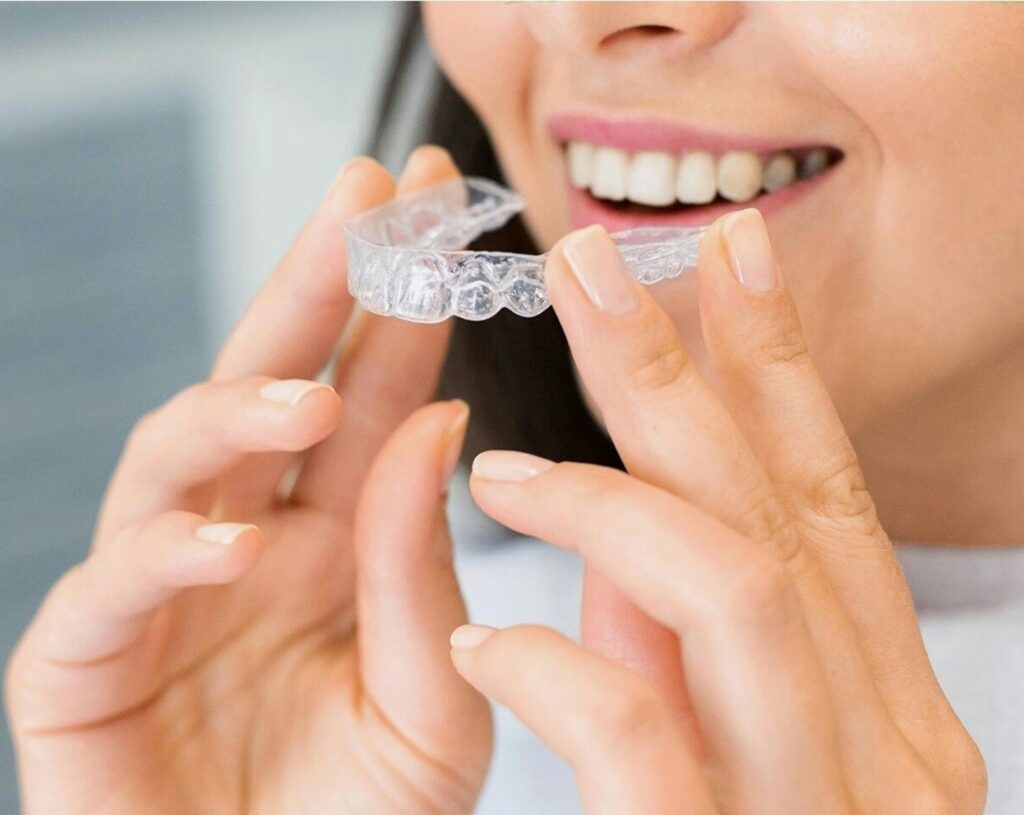
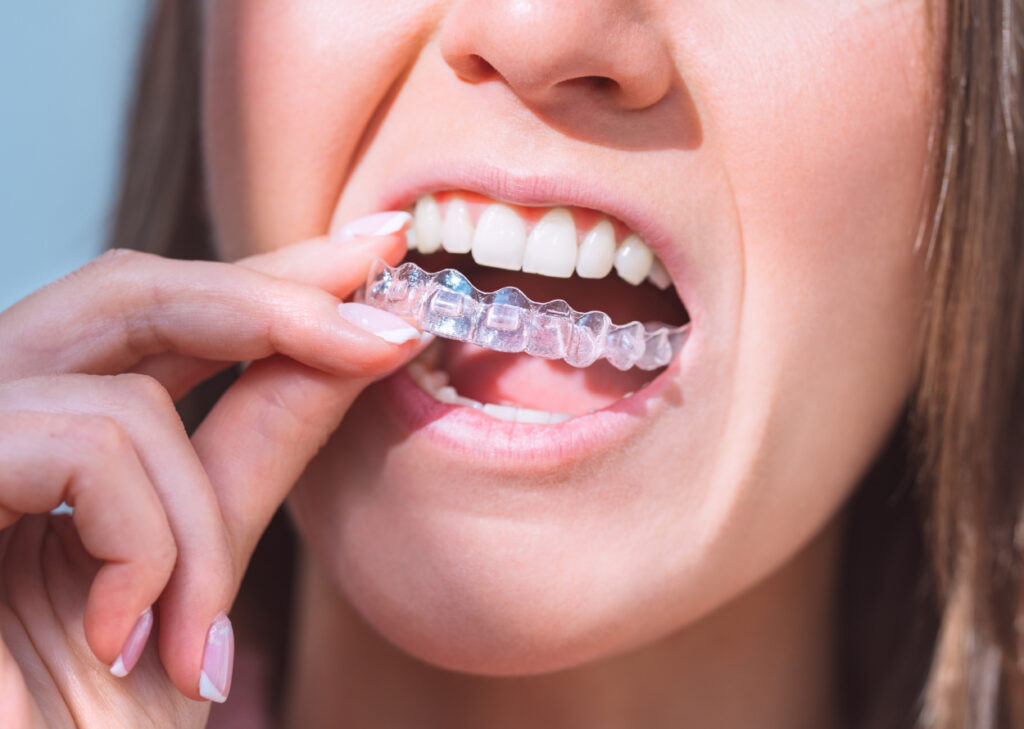
For many adults and teens in Calabasas, straightening teeth is not really about chasing a perfect Hollywood smile. It is often about something more practical. They want to fix crowding that makes flossing difficult, close a gap that has bothered them for years, or correct bite issues that are starting to wear down enamel. The question usually is not whether orthodontic treatment can help. It is whether Invisalign is the right path, and whether the investment feels justified.
That is a fair question, especially in a place like Calabasas, where people tend to value both appearance and efficiency. Busy schedules, social visibility, work commitments, and family life all shape treatment decisions. Someone who spends their days in meetings, on camera, or moving between school pickups and client calls may not be excited about the look and upkeep of traditional braces. At the same time, they do not want to spend money on a treatment that sounds convenient but falls short in real life.
The short answer is that Invisalign can absolutely be worth it, but not for every person and not for every orthodontic problem. The value comes from the match between the system and the patient. When the case is appropriate and the patient is consistent, Invisalign often delivers an excellent blend of aesthetics, comfort, and control. When those pieces are missing, the same treatment can feel frustrating or expensive.
Why people in Calabasas keep asking about Invisalign
There is a reason the phrase “Invisalign Calabasas CA” gets so much attention. Patients here tend to be highly aware of how their smile affects both confidence and first impressions, but they also care about discretion. Adults who skipped braces as teenagers often do not want Invisalign Calabasas CA metal brackets in their forties or fifties. Teens may be open to treatment, but they still worry about school photos, sports, and social events.
Calabasas also has a lifestyle factor that matters more than many people realize. A lot of residents are balancing packed calendars. They want treatment that can fit around professional obligations, travel, workouts, and family routines. Clear aligners appeal to that mindset because they feel less disruptive. You can remove them for meals, special occasions, and oral hygiene. That flexibility is not a small perk. For the right patient, it is one of the strongest arguments in Invisalign’s favor.
Still, convenience is only one piece of the equation. The better question is what specific advantages Invisalign offers, where those advantages are strongest, and where the limitations begin.
The cosmetic advantage is real, and for many people it matters more than they expected
Most people start by focusing on the obvious benefit. Invisalign is much less noticeable than braces. That is not marketing fluff. At normal conversational distance, most aligners are hard to spot unless someone is actively looking for them.
This matters in ways that go beyond vanity. Adults in client-facing professions often feel more comfortable speaking, smiling, and showing up on video calls with clear aligners than they would with brackets and wires. Teens who are already self-conscious often find the lower profile easier to accept. Even patients who originally tell themselves they do not care about appearance usually admit later that they appreciated not having their treatment announce itself every time they talked.
There is also a psychological benefit here. When treatment feels less intrusive, patients are often more willing to start. I have seen people postpone orthodontics for years because they disliked the idea of metal braces. Once they understood that Invisalign could address their concerns with a subtler look, they finally moved forward. That delay can matter, because crowding, uneven wear, and bite problems rarely improve on their own.
Comfort is one of Invisalign’s most underrated strengths
People tend to assume that all orthodontic treatment hurts in roughly the same way. That is not quite true. Any tooth movement creates pressure, especially when switching to a new aligner tray, but the experience with Invisalign is often gentler and easier to manage than what many patients remember hearing about braces.
Traditional braces involve brackets, wires, tightening appointments, and occasional poking from hardware. Invisalign trays are smooth plastic. There are no sharp edges rubbing against cheeks and lips in the same way. Patients often describe the feeling as tightness or pressure for a day or two after changing trays, rather than the soreness and irritation they feared.
That difference can have a real effect on daily life. A person with braces may need wax, soft foods after adjustments, and patience while sore spots heal. Someone wearing aligners can usually continue most normal activities with fewer interruptions. For busy adults, that matters. For teens in sports or music programs, it can matter even more.
Comfort does not mean zero hassle. Some people notice a temporary lisp at the beginning. Others find the first few days of wearing aligners surprisingly noticeable. But those issues usually settle quickly. Compared with the steady presence of metal brackets, many patients find clear aligners easier to live with.
Oral hygiene is simpler, and that can save trouble later
One of the most practical reasons Invisalign can be worth it is how much easier it makes brushing and flossing. This point is often overlooked because it is less glamorous than straight teeth, but from a clinical standpoint it is significant.
With braces, food traps around brackets and wires. Cleaning takes more time and more technique. Even highly motivated patients can struggle to floss properly for months on end. Plaque buildup, inflamed gums, and white spot lesions on enamel are common enough that every orthodontist watches for them closely.
With Invisalign, you remove the trays, brush and floss normally, then place the aligners back in. That is a far simpler routine. It still requires discipline, but the mechanics are easier. Adults who already invest in regular dental care often appreciate that they can protect their oral health while straightening their teeth instead of choosing between convenience and cleanliness.
This becomes especially important for patients who have had gum sensitivity, prior dental work, or a history of cavities. If someone already struggles with oral hygiene, braces can amplify that challenge. Aligners are not risk-free, because sipping sugary drinks while wearing trays or neglecting cleaning can still cause problems, but overall they tend to support better day-to-day hygiene.
Food freedom sounds minor until you compare it with braces
Ask anyone who has worn braces what they missed, and food comes up fast. Sticky candy, popcorn, crusty bread, nuts, chewy bagels, and certain crunchy snacks can all become risky or annoying. It is not only about breakage. It is also about food getting stuck in hard-to-clean places.
Invisalign changes that experience because the trays come out before meals. Patients can eat normally, then brush before putting the aligners back in. For someone who enjoys dining out, attends events often, or simply does not want treatment dictating every snack choice, that freedom is a meaningful advantage.
In a place like Calabasas, where social meals, coffee meetings, and active family schedules are common, this flexibility tends to matter. Still, it comes with an important trade-off. You cannot casually graze all day if you need 20 to 22 hours of wear time. Patients who snack constantly sometimes find Invisalign more restrictive than they expected, because every bite means removing trays, eating, cleaning teeth, and replacing them. That is one of those real-life details that deserves honest discussion before treatment starts.
Predictability has improved, but case selection still matters
One reason Invisalign has gained so much respect over the years is that the technology has matured. Treatment planning software allows providers to map tooth movement in a detailed, staged way. For many mild to moderate cases, and even some fairly complex ones, the results can be excellent when treatment is designed well and monitored carefully.
That said, not every case is equally suited for aligners. Severe bite discrepancies, major rotations, significant vertical movement, or complicated jaw relationships may still be better handled with braces or a combination approach. This is where provider experience matters enormously. A seasoned orthodontist or dentist offering Invisalign in Calabasas CA should be able to explain not just whether you can use aligners, but whether aligners are the best tool for your specific goals.
The strongest consultations are not sales pitches. They are nuanced. They cover what Invisalign can do, where refinement trays might be needed, how long treatment may take, and whether attachments or elastics will be part of the plan. If a provider makes it sound effortless in every case, that is usually a sign to ask harder questions.
Invisalign works best for people who can follow through
This is probably the single biggest factor in whether Invisalign feels worth the cost. The trays only work when they are worn consistently. Most treatment plans require about 20 to 22 hours per day. That leaves enough time for meals and oral hygiene, not enough time to forget them on the bathroom counter until evening.
For disciplined adults, this is often no problem. They like the control and do well with routines. For younger teens, very social adults, or anyone prone to losing things, compliance can become the weak point. A well-executed braces case often outperforms a poorly worn Invisalign case, simply because braces are fixed in place and always working.
I have seen patients who were ideal candidates on paper struggle because their habits did not match the treatment. One person wore the trays faithfully Monday through Thursday, then relaxed on weekends and wondered why progress stalled. Another removed aligners for coffee several times a day and let the wear time slip. The treatment was not the issue. The routine was.
That does not mean perfection is required. Most people settle in after the first couple of weeks. But if you know you dislike structured routines, it is worth being honest about that before choosing clear aligners.
Cost matters, and the value depends on what you are comparing
People often ask whether Invisalign costs more than braces. The honest answer is that it depends on the complexity of the case, the provider, the region, and what is included in the treatment fee. In many practices, the total cost falls in a similar range to braces. Sometimes Invisalign runs a bit higher. Sometimes it does not.
What matters more is how you define value. If you are comparing only the sticker price, you miss part of the story. A treatment that fits your professional life, preserves confidence during the process, and supports easier hygiene may be worth a moderate premium. On the other hand, if your case is difficult and likely to need many refinements, or if you are unlikely to wear trays consistently, the best value may actually be braces.
It also helps to ask what the fee covers. Some offices include retainers, refinement trays, and follow-up visits in the quoted price. Others separate them. That can change the real cost. Insurance may contribute in the same way it would for braces, but benefits vary widely. Flexible spending and financing options can also affect whether the treatment feels manageable.
A good financial conversation should be clear and specific. Vague pricing discussions usually create frustration later.
The treatment can fit adult life better than braces, but only if expectations are realistic
Adults often choose Invisalign because it feels more compatible with normal life. That instinct is usually correct. Aligners can be removed for a wedding, a presentation, or family photos. Appointments may be relatively straightforward. There are no emergency visits for broken brackets in the same way you sometimes see with traditional braces.
But “flexible” should not be confused with “low effort.” Patients still need to wear trays, clean them, store them safely, and keep up with check-ins. There is also an adjustment period. Some people notice dryness, mild speech changes, or increased awareness of their teeth at first. Attachments, those small tooth-colored bumps bonded to certain teeth, can make aligners more visible up close than some patients expect.
That does not make the treatment less effective. It just means realistic expectations lead to better satisfaction. The adults who are happiest with Invisalign tend to understand from the beginning that the system is discreet and convenient, not magical or maintenance-free.
Some of the strongest candidates share a few common traits
If you are weighing Invisalign Calabasas CA options, it helps to think less about marketing and more about fit. In practice, the patients who tend to do especially well with Invisalign often have a few things in common:
- They want a discreet treatment option and care about appearance during the process.
- They can commit to wearing aligners 20 to 22 hours per day.
- Their case is mild to moderate, or complex but suitable for aligner mechanics in experienced hands.
- They value being able to brush and floss normally.
- They prefer flexibility with food and social events, even if it means more personal responsibility.
That does not mean others cannot succeed. It simply reflects what strong aligner patients often look like in the real world.
What can make Invisalign less worth it
A balanced answer has to include the downside scenarios. Invisalign may be less appealing if you know you are forgetful, if you frequently snack or sip coffee over long stretches, or if your orthodontic issue is severe enough that braces would likely move teeth more efficiently. It can also feel less worthwhile for patients who assume “invisible” means completely undetectable and are disappointed by the presence of attachments.
There is also the matter of discipline fatigue. Treatment can last many months, sometimes over a year depending on complexity. The first month usually feels exciting. Month eight can feel ordinary. That is when habits matter. If motivation fades and tray wear becomes inconsistent, timelines stretch, and value drops with it.
One more subtle point is that Invisalign is not always the fastest route. In some cases, braces simply have more direct mechanical control. A good provider will tell you that openly. Worth is not about choosing the fanciest option. It is about choosing the one that gives you the best outcome for your priorities, anatomy, and habits.
The provider can make or break the experience
This point deserves emphasis. Invisalign is a system, but the treatment plan behind the trays matters enormously. Two patients with similar crowding can have very different experiences depending on diagnosis, staging, attachment design, bite management, and follow-up.
That is why choosing an experienced provider in Calabasas matters at least as much as choosing Invisalign itself. A strong clinician will evaluate more than just whether your front teeth look crooked. They will assess bite relationships, jaw function, gum health, wear patterns, and long-term stability. They will also be honest if another treatment option would serve you better.
A rushed consultation often misses the details that shape real outcomes. The best ones leave you with a clear picture of treatment length, likely challenges, what compliance will require, and how retention will work after active treatment ends. Teeth move after orthodontics if retainers are ignored. That is true whether you choose aligners or braces.
Questions worth asking before you commit
A short consultation can feel overwhelming, especially if you are comparing practices. These questions help cut through generic sales language and get to the substance:
- Am I a good candidate for Invisalign specifically, or just orthodontic treatment in general?
- What limitations or trade-offs do you see in my case with aligners?
- How many months is the likely treatment range, and how often do patients like me need refinements?
- What is included in the total fee, including retainers and additional trays if needed?
- If progress stalls, what is your plan for correcting it?
The answers often tell you as much about the provider as they do about the treatment.
Retainers and long-term maintenance are part of the value equation
People understandably focus on active treatment, but long-term success depends on what happens after the last tray. Teeth naturally want to drift. That is biology, not failure. Retainers are the reason the result lasts.
This matters when deciding whether Invisalign is worth it because post-treatment maintenance is part of the commitment. The patient who spends months aligning teeth and then neglects retainers may lose some of the result they paid for. A good office will explain the retention plan clearly, including how often retainers should be worn initially and what replacement may cost down the road.
In some ways, Invisalign patients are already prepared for this Invisalign Calabasas CA Oaks Dental mindset. They are used to wearing something removable on schedule. That can make the transition to retainers easier than people expect. Still, it is a lifelong maintenance concept, not a temporary afterthought.
So, is it worth it?
For many patients, yes. Invisalign is often worth it when appearance during treatment matters, oral hygiene is a priority, and the patient is willing to wear aligners as directed. It can be an especially strong fit for adults in professional or social settings who want effective orthodontic treatment without the visibility and inconvenience of braces.
Its best advantages are not abstract. They show up every day, in the ability to smile without feeling self-conscious about metal, to brush and floss normally, to eat what you want, and to integrate treatment into a full life with less disruption. Those benefits are meaningful, not cosmetic fluff.
But the treatment earns its value only when it is matched to the right case and the right habits. If compliance is likely to be inconsistent, or if your bite needs mechanics that braces handle more efficiently, Invisalign may not be the smartest choice. The better choice is the one that gives you a healthy, stable result with the least compromise.
If you are exploring Invisalign Calabasas CA providers, the most useful next step is a thorough consultation with someone who will speak plainly about both strengths and limitations. That conversation, more than any advertisement or before-and-after photo, is where you learn whether Invisalign is truly worth it for you.
Oaks Dental
5000 Parkway Calabasas, Suite 308
Calabasas, CA 91302
(818) 643-6521
FAQ About Invisalign Calabasas CA
How many hours a day should I wear Invisalign?
Clear aligners are typically worn for 20 to 22 hours a day. Follow your dentist’s instructions for your specific treatment plan.
What age is best for Invisalign?
Many teens and adults can use clear aligners. A dentist can assess dental development, oral health, and the type of tooth movement needed.
What affects the cost of Invisalign in California?
Cost depends on the complexity and length of treatment and what the quoted plan includes. Ask for an itemized estimate and check any orthodontic coverage with your insurer.
❧