November 24, 2026
Invisalign Calabasas CA and Common Treatment Myths
By @beckettjssm820

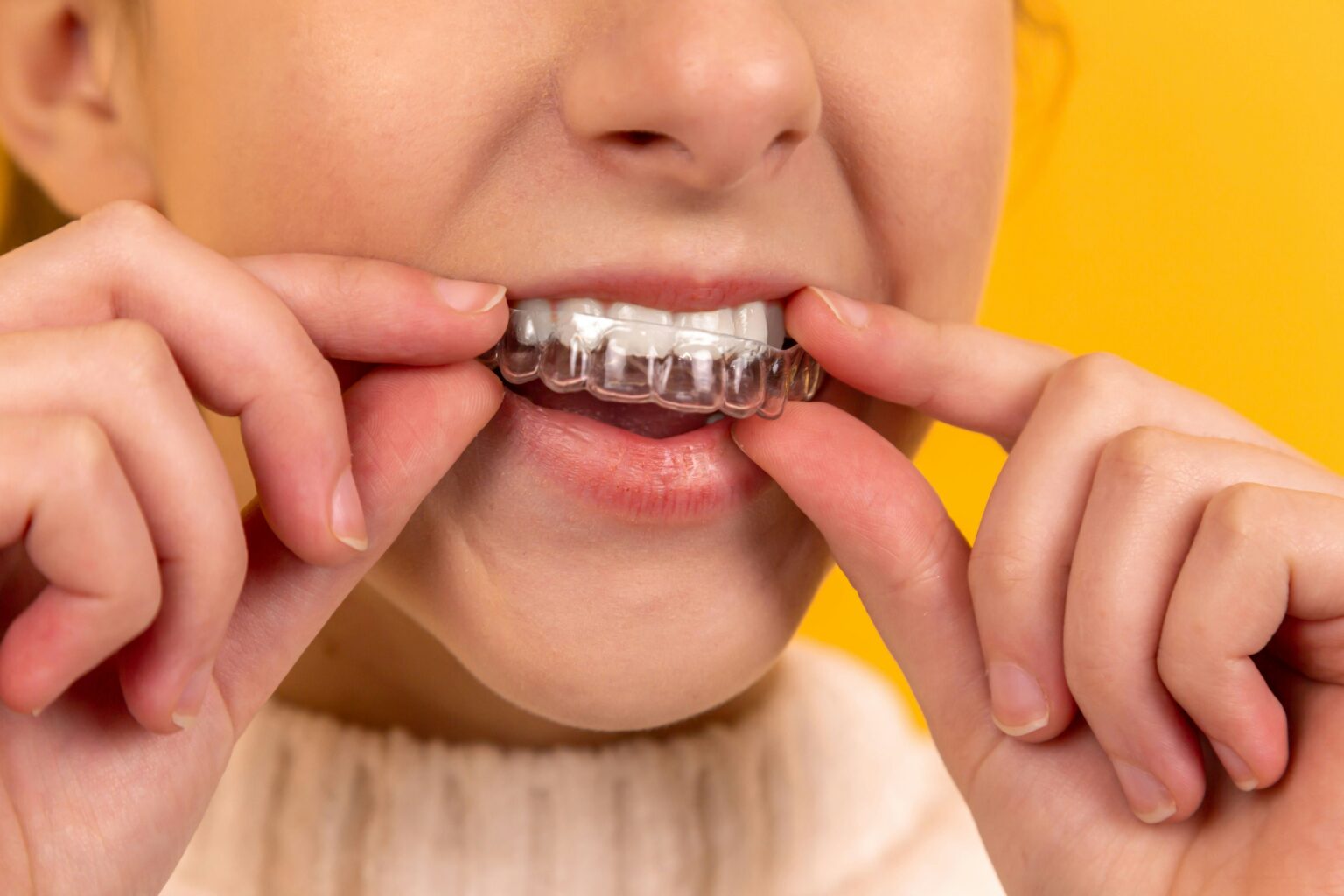
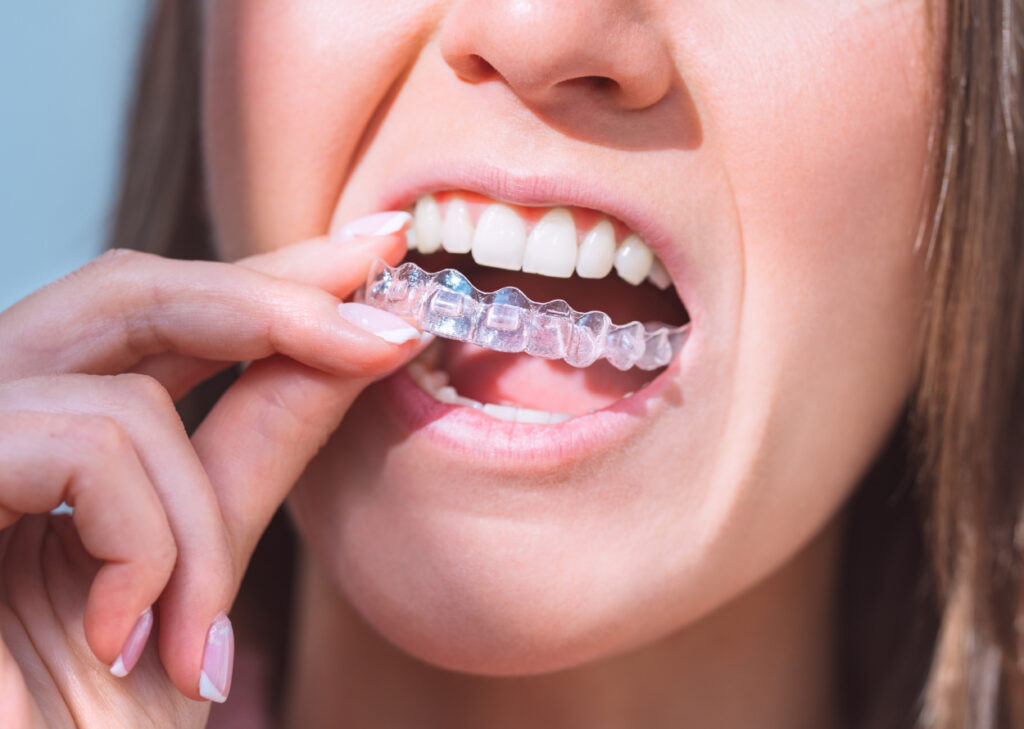
Clear aligner treatment has become a familiar option in modern orthodontics, but familiarity often creates a strange problem. People hear just enough about Invisalign to feel informed, then fill in the gaps with assumptions, half-remembered stories, and marketing slogans. In a place like Calabasas, where appearance, convenience, and long-term dental health all matter, those assumptions can shape decisions before a person even sits down for a consultation.
The phrase Invisalign Calabasas CA often brings to mind an easy cosmetic upgrade, something discreet and low-effort that straightens teeth with almost no interruption to daily life. Sometimes that picture is close to reality. Sometimes it is not. The truth sits in the middle, where most worthwhile dental treatment lives. Invisalign can be highly effective, but it works best when expectations are grounded in biology, planning, and patient follow-through.
Many of the most common myths come from comparing aligners to braces in overly simple terms. Others grow from social media before-and-after posts, where the finished smile gets all the attention and the process gets compressed into a few cheerful photos. A patient may see six months of treatment distilled into ten seconds and assume everyone’s experience should be that smooth. In practice, every case has its own mechanics, limits, and habits to manage.
What follows is a practical look at the myths that tend to come up most often, especially for adults and teens considering Invisalign in Calabasas. The goal is not to oversell or undersell the treatment. It is to clarify what clear aligners can actually do, where they excel, where they struggle, and what separates a satisfying result from a frustrating one.
Why myths around Invisalign persist
Clear aligners occupy an unusual space in dentistry. They are a legitimate orthodontic system used by trained professionals, yet they are also marketed as lifestyle-friendly and image-conscious. That combination invites oversimplification. Patients hear words like “removable,” “clear,” and “custom,” then understandably assume the treatment is gentler, easier, and more predictable than traditional braces in every case.
Another reason myths persist is that treatment success depends on a partnership. Braces keep working whether the patient is motivated that day or not. Invisalign asks more from the person wearing it. Two patients can have similar bite issues, similar treatment plans, and very different outcomes based on wear time, tray care, and whether they follow instructions carefully. When someone says, “Invisalign didn’t work for me,” the important question is usually not whether aligners can move teeth. It is what happened during treatment.
Dentists and orthodontists also differ in how they evaluate cases, sequence tooth movement, and manage refinements. One patient may need small enamel reshaping, attachments, or elastics to achieve a predictable result. Another may not. Those details matter. The public conversation often skips them.
Myth: Invisalign is only for very minor crowding
This is probably the most common outdated belief. Years ago, clear aligners were often associated with mild cosmetic cases, a little front tooth crowding, a small spacing issue, a subtle touch-up. That history still lingers. Today, however, Invisalign can address a much broader range of orthodontic concerns than many people realize.
With proper case selection and planning, aligners can treat moderate crowding, spacing, overbites, underbites, crossbites, and relapse after previous orthodontic treatment. That does not mean every case is equally suitable for aligners, and it certainly does not mean braces are obsolete. Some severe skeletal discrepancies, major bite corrections, or complex rotations may still be better served by braces or by a combined orthodontic approach. But the idea that Invisalign is only cosmetic is simply not accurate.
In real practice, one of the most satisfying aligner cases is the adult who had braces as a teenager, stopped wearing a retainer years ago, and now has shifting in the lower front teeth or spacing near the upper incisors. Invisalign often handles those relapse cases very well. Another good candidate might be a working professional with moderate crowding who wants a discreet option and is realistic about treatment time and compliance.
The key phrase here is “with proper planning.” Tooth movement is not magic. It is controlled force applied over time. When a provider understands aligner biomechanics and uses the system thoughtfully, the range of treatable cases expands considerably.
Myth: Invisalign works faster than braces for everyone
Some patients come in assuming clear aligners are the fast lane and braces are the slow lane. That comparison is too simple. Treatment speed depends on the complexity of the case, the biology of tooth movement, the accuracy of the plan, and how consistently the aligners are worn.
For straightforward alignment issues, Invisalign can be very efficient. If a patient wears trays as directed, usually around 20 to 22 hours per day, treatment may move along beautifully. For more complex bite correction, the timeline can be similar to braces and sometimes longer, especially if the patient loses trays, under-wears them, or needs multiple rounds of refinements.
Refinements are a point people rarely anticipate. The first series of aligners is not always the last series. Teeth do not read software. They respond as living structures, and they can lag behind projected movements. A provider may finish the initial aligner set, Invisalign Calabasas CA rescan the teeth, and prescribe additional trays to fine-tune details. That is not failure. It is often part of good orthodontic care.
A patient who chooses Invisalign because they believe it guarantees the shortest treatment time can end up disappointed. A patient who chooses it because the system fits their habits and priorities tends to be happier.
Myth: Because the trays are removable, compliance is not a big deal
This one causes more treatment delays than almost anything else. Removable does not mean optional. It means the treatment can adapt to meals, brushing, flossing, and certain social situations. The benefit is flexibility. The trade-off is responsibility.
A tray that sits in a case on the kitchen counter is not moving teeth. If a patient regularly leaves aligners out for coffee, lunch, snacks, dinner, and evening social events, the lost hours add up fast. Many people underestimate how easy it is to slip from 22 hours a day to 16 or 17 without realizing it. That difference matters.
The first signs of poor compliance are often subtle. The next tray feels too tight. One tooth does not fully seat into the aligner. Small gaps appear between the plastic and the biting edge. Then appointments become conversations about going back to a previous tray, extending wear time, or ordering new scans because tracking is off.
For the right patient, removable aligners are a major advantage. For the wrong patient, they can become an expensive exercise in inconsistency. Teenagers can do very well with Invisalign, but maturity and habit patterns matter. Adults are not automatically better. Busy professionals often struggle just as much, especially if they snack throughout the day or attend frequent work dinners.
Myth: Invisalign is completely invisible
Clear aligners are discreet, not invisible. That distinction is worth making early because it shapes expectations. Most people will not notice them in casual conversation. That is one of their biggest strengths. Up close, though, aligners can often be seen, especially under certain lighting or when the trays catch reflections.
Attachments make the trays even more noticeable. These are small tooth-colored shapes bonded to specific teeth to help the aligners grip and guide movement. They are essential in many cases. Some patients are surprised when they learn that their “invisible” treatment may involve several attachments across the front teeth. The attachments are usually not dramatic, but they are part of the visual reality of treatment.
Speech changes can also happen during the adjustment period. A slight lisp is not unusual at first, especially with certain consonants. Most people adapt within days or a couple of weeks, but a person who speaks publicly for a living may want to plan for that early transition.
None of this means Invisalign is unattractive. It simply means the cosmetic benefit comes from subtlety, not total concealment. For many adults, that subtlety is more than enough.
Myth: Invisalign hurts less, so it must be gentler or less effective
There is a grain of truth here, mixed with a misunderstanding. Many patients do report that Invisalign feels more comfortable than braces overall. There are no brackets rubbing the lips and cheeks, fewer emergency visits for poking wires, and often a smoother day-to-day experience. But comfort does not mean no force is being applied, and it certainly does not mean the treatment is weak.
When switching to a new set of trays, patients commonly feel pressure, tightness, or soreness for a day or two. That is normal. Teeth are being guided into new positions. Some movements create more discomfort than others, especially rotations, intrusion, or larger shifts in alignment. Attachments and elastics can add to that temporary tenderness.
Braces create their own kind of discomfort, and some patients tolerate one system better than the other. The important point is that both systems move teeth by applying controlled force. Less irritation to the cheeks does not equal less orthodontic effect. It simply reflects a different appliance design.
Myth: Any dentist offering Invisalign will get the same result
This myth can be expensive. Invisalign is a tool, not a guarantee. The skill lies in diagnosis, treatment planning, biomechanics, monitoring, and judgment about when aligners are appropriate.
A provider must assess much more than whether the front teeth look crooked in a photo. Bite relationships, root positions, gum health, restorative work, existing wear, jaw patterns, airway considerations, and long-term stability all matter. A beautiful digital preview can create false confidence if the underlying case has not been evaluated carefully.
Experience also matters when treatment stops going exactly to plan. Teeth sometimes track imperfectly. Attachments may need to be modified. Elastics may be added. Interproximal reduction, where tiny amounts of enamel are polished between selected teeth to create room, may be recommended in carefully measured amounts. A clinician needs to know how to adjust.
This is especially relevant for people searching for Invisalign Calabasas CA because the market can feel crowded. Slick advertising is easy to find. What matters more is whether the provider takes time to explain the mechanics of your case, discuss limitations honestly, and talk through retention after treatment. If every promise sounds effortless and universal, that is a reason to ask more questions.
Myth: If your trays fit, everything is going perfectly
Tray fit is important, but it is not the whole story. Teeth can appear to be tracking while the bite is developing in a less-than-ideal way. Conversely, a small seating issue does not always mean the entire case is in trouble. Orthodontic progress has to be interpreted in context.
One detail that surprises many patients is that alignment and bite refinement are not always synchronized. The front teeth may look noticeably straighter well before the molars settle the way the provider wants. That can create a false sense that treatment should already be over. Sometimes what remains is the part that matters most for long-term function.
At follow-up visits, providers look for subtleties that patients cannot easily judge at home. Contacts between teeth, overjet, overbite, arch coordination, posterior settling, and signs of unwanted movement all influence the next step. Remote monitoring can be useful in some cases, but it does not replace clinical judgment.
Myth: Invisalign is only about aesthetics
Straight teeth usually look better, but function is where the long-term value often lives. Crowding can make hygiene harder, increasing plaque retention around overlapped surfaces. Certain bite discrepancies can contribute to uneven wear, chipping, recession risk, or stress on individual teeth. Spacing can affect food trapping and gum health. Orthodontic treatment can help distribute forces more evenly and make daily care more manageable.
That said, it is also true that not every imperfect smile needs correction for medical reasons. Some concerns are mainly cosmetic, and there is nothing wrong with that. Adults are allowed to care about appearance. The practical approach is to separate goals clearly. If the goal is mostly cosmetic, say so. If the goal includes bite improvement or easier hygiene, that should shape the treatment plan.
The most successful patients tend to understand both dimensions. They appreciate the cosmetic benefit, but they also recognize the value of a healthy, stable bite and a retainer protocol that protects the result.
Myth: Treatment ends when the last tray comes out
Orthodontic treatment does not truly end without retention. Teeth have memory in the everyday sense patients care about. Once moved, they can drift. Gum fibers reorganize slowly, bite forces continue, and natural aging affects alignment. Anyone who has seen lower front teeth become crowded years after braces has already seen this principle in action.
Retainers are not an optional accessory handed out at the finish line. They are part of treatment. Many adults are surprised by how strongly this needs to be emphasized. They feel done, their smile looks great, and they want to move on. Then life gets busy, the retainer is worn less often, and subtle shifting begins.
A realistic conversation about retention should happen before treatment starts. The exact schedule varies, but many providers recommend full-time wear initially, followed by nighttime wear long term. For some cases, fixed retention may also be discussed. The details depend on the original malocclusion, the amount of movement, and the patient’s history of relapse.
If a provider barely mentions retention, that should raise concern. Stability is not an afterthought. It is part of responsible orthodontic care.
What patients in Calabasas often care about most
In Calabasas, practical concerns usually blend with cosmetic ones. Adults often ask whether aligners will interfere with meetings, filming, public appearances, workouts, travel, or dining out. Parents ask whether a teen will actually wear them. Both are fair questions.
From a lifestyle perspective, Invisalign offers meaningful advantages. Brushing and flossing are easier than with braces. There are no food restrictions in the usual sense because trays come out during meals. Emergency visits for broken wires are largely avoided. For professionals who spend a lot of time face-to-face with clients or on camera, the low-profile appearance can be a major reason to choose aligners.
Still, the same lifestyle that makes Invisalign appealing can also make it harder to execute well. Frequent coffee runs, long lunches, event schedules, and spontaneous eating can chip away at wear time. Travel can mean lost trays or forgotten cases. This is where the polished marketing version of aligners collides with ordinary human behavior.
Patients do best when they have a few practical habits in place. A travel toothbrush matters. So does keeping the previous set of aligners as a backup when moving to the next tray. A simple routine, remove trays, eat, rinse, brush, reinsert, does more for progress than any app notification ever will.
Questions worth asking before starting treatment
The quality of a consultation often predicts the quality of the treatment experience. A strong provider should be comfortable discussing not just whether you are a candidate, but what the likely trade-offs are in your specific case. If crowding is significant, ask how space will be created. If bite correction is part of the goal, ask how the provider plans to achieve it. If refinements are likely, ask what that process looks like.
These are especially useful points to cover during a consultation:
- What specific bite or alignment issues are being treated, beyond cosmetic straightening?
- How long is the estimated treatment, and what could make it longer?
- Will attachments, elastics, or enamel reshaping likely be needed?
- How often are refinements required in cases like mine?
- What is the retainer plan after treatment?
Good answers tend to sound measured, not rehearsed. If a provider acknowledges uncertainty where uncertainty is normal, that is often a positive sign. Teeth do not always move on a perfect schedule, and honest communication is usually more valuable than a perfect sales pitch.
The real standard for success
The best Invisalign result is not just a straighter smile in a mirror selfie. It is a result that looks good, functions well, holds up over time, and was achieved without unnecessary shortcuts. Sometimes that means aligners are the ideal choice. Sometimes it means braces are more efficient. Sometimes it means a patient should address gum disease, worn restorations, or jaw concerns before moving teeth at all.
Common myths flatten all of that nuance into easy slogans. Real treatment is more careful than that. It asks whether the bite will be healthier, whether the movement is stable, whether the patient can realistically comply, and whether the chosen system matches the complexity of the case.
For people exploring Invisalign Calabasas CA, that nuance is not a drawback. It is the reason thoughtful treatment works. Clear aligners can be excellent, but they are not casual. They Invisalign Calabasas CA reward commitment, planning, and honest expectations. When those pieces are in place, the results can be impressive in both appearance and function. When they are not, myths have a way of becoming disappointments.
A well-informed patient starts from a much better position. Not because they know every orthodontic detail, but because they understand the basic truth behind all of this: Invisalign is neither a miracle nor a gimmick. It is a sophisticated treatment system that performs best in experienced hands, with a patient who is ready to do their part.
Oaks Dental
5000 Parkway Calabasas, Suite 308
Calabasas, CA 91302
(818) 643-6521
FAQ About Invisalign Calabasas CA
How many hours a day should I wear Invisalign?
Clear aligners are typically worn for 20 to 22 hours a day. Follow your dentist’s instructions for your specific treatment plan.
What age is best for Invisalign?
Many teens and adults can use clear aligners. A dentist can assess dental development, oral health, and the type of tooth movement needed.
What affects the cost of Invisalign in California?
Cost depends on the complexity and length of treatment and what the quoted plan includes. Ask for an itemized estimate and check any orthodontic coverage with your insurer.
❧